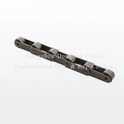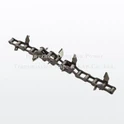
Escalator step chains are the key components that connect the escalator steps and ensure smooth, synchronized movement of the escalator.
Designed with durability, safety, and reliability in mind, these chains are essential for the efficient operation of escalators in public places.
Understanding their construction, benefits, and maintenance can help optimize their performance and lifespan.
Read on to learn all about escalator step chains.
What is a step chain in an escalator?
A step chain in an escalator is a specialized chain that connects and synchronizes the movement of the individual steps, allowing for continuous, smooth operation of the escalator.
It is an essential component that ensures that the steps move at a consistent speed and pitch, providing a safe and comfortable ride for users.
Step chains are designed to withstand heavy loads and continuous use, which is essential for the reliable performance of escalators.
Benefits and functions of escalator step chains
Smooth operation
The main function of an escalator step chain is to ensure the smooth, synchronized movement of the escalator steps.
This synchronization is essential to maintain a steady speed and prevent jerky or uneven movement, which can compromise the safety and comfort of users.
Durability and Reliability
Escalator step chains are extremely durable and are able to withstand the constant use and heavy loads common in high-traffic areas such as shopping malls, airports, and subway stations.
Their rugged construction ensures long-term reliability, reducing the need for frequent maintenance and repairs.
Overall Safety
Safety is a primary consideration in the design of escalator step chains.
They are carefully designed to provide consistent, reliable performance, minimizing the risk of accidents due to chain failure.
Proper maintenance and quality construction contribute to the overall safety of escalator systems.
Escalator Step Chain Construction and Components
Chain Links
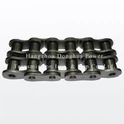
Chain links are the individual components that make up the continuous loop of the step chain.
Made of high-strength steel, these links are used to withstand the tensile forces applied during escalator operation.
They provide the necessary flexibility and strength to ensure smooth motion.
Pins and Bushings
Pins and bushings are essential for connecting the chain links and allowing them to pivot as the chain moves around the escalator's drive and return sprockets.
These components are typically made of hardened steel to prevent wear and reduce friction, ensuring the life of the chain.
Rollers
Rollers allow the chain to move smoothly over guide rails and sprockets.
They reduce friction and wear on the chain links and sprockets, contributing to the efficient operation of the escalator.
Rollers are usually made of durable materials such as nylon or steel to withstand constant use.
Sprockets
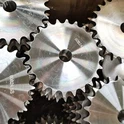
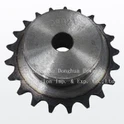
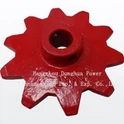
Sprockets are gears that mesh with the chain links to drive the step chain and ensure the synchronous movement of the escalator steps.
Sprockets are made of high-strength steel and are designed to withstand huge loads and provide precise step alignment.
Guides and Tracks
Guides and tracks guide the movement of the step chain, ensuring it stays in place and runs smoothly.
These components are usually made of wear-resistant materials and are strategically placed along the structure of the escalator to support the movement of the chain.
What is escalator step chain made of?
High-strength steel
The main material used in escalator step chains is high-strength steel, which is known for its excellent tensile strength and durability.
This material is essential to withstand the constant tension and load-bearing requirements of escalators.
Hardened Steel
The pins, bushings, and sprockets in escalator step chains are often made of hardened steel for enhanced wear resistance and longevity.
The hardening process increases the durability of the material, making it suitable for high-stress applications.
Nylon
Nylon is commonly used in rollers due to its low friction properties and wear resistance.
Nylon rollers reduce overall friction in the system, contributing to smoother operation and reduced wear on the chain and rails.
Escalator Step Chain Applications
Commercial Buildings
Escalator step chains are widely used in commercial buildings such as shopping malls and office buildings, where they help people move efficiently and safely between floors.
Public Transportation
In public transportation hubs such as airports, train stations, and subways, escalator step chains play a vital role in managing passenger flow, ensuring quick and reliable access to different floors.
Retail Stores
Large-scale retail stores use escalator step chains to increase customer convenience, facilitate customer access to various store floors, and improve the overall shopping experience.
Hotels and Restaurants
Hotels and other hospitality venues utilize escalator step chains to ensure smooth and efficient movement of guests, resulting in a seamless and comfortable stay.
What is the lifespan of an escalator step chain?
Escalator step chains typically have a lifespan of 10 to 15 years, depending on factors such as frequency of use, maintenance habits, and operating conditions.
Factors that affect lifespan
Frequency of use: High-traffic environments may require more frequent maintenance and replacement due to increased wear.
Maintenance: Regular inspection and lubrication can significantly extend the lifespan of the step chain by reducing friction and preventing premature wear.
Operating conditions: Harsh conditions, such as exposure to moisture or abrasive materials, can shorten the lifespan of the chain.
Tips for extended life
Regular inspections: Perform routine inspections to detect and address wear or damage early.
Proper lubrication: Ensure the chain is adequately lubricated to minimize friction and wear.
Avoid overloading: Do not exceed the designed load capacity of the escalator to prevent excessive stress on the chain.