


As a trusted supplier of special gears, I understand the importance of proper installation for optimal performance and longevity of these precision components. In this blog post, I'll guide you through the process of installing special gears, offering valuable insights and practical tips along the way.
Understanding Special Gears
Before we delve into the installation process, it's essential to have a basic understanding of special gears. Special gears are designed to meet specific requirements, such as unique tooth profiles, materials, or operating conditions. They play a crucial role in various industries, including automotive, aerospace, robotics, and manufacturing.
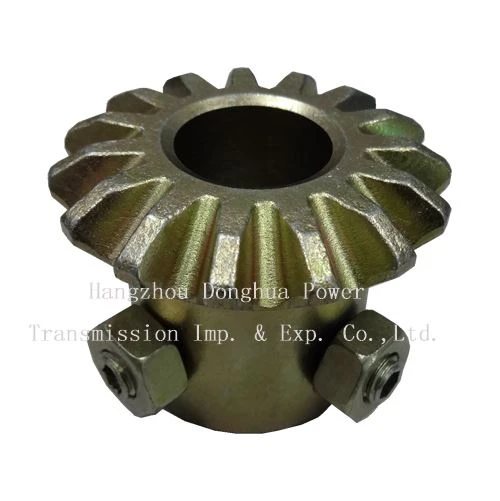
Some common types of special gears include Spur gear and pinion, Spur Gear With Different Teeth, and Straight Bevel Gears With Special Hubs. Each type has its own characteristics and installation requirements.
Pre-Installation Preparation
1. Inspection
- Visual Inspection: Carefully examine the special gear for any signs of damage, such as cracks, chips, or excessive wear. Check the tooth profile, surface finish, and overall dimensions to ensure they meet the specifications.
- Measurement: Use precision measuring tools, such as calipers and micrometers, to verify the gear's dimensions. Compare the measurements with the manufacturer's specifications to ensure accuracy.
2. Cleaning
- Remove Contaminants: Clean the gear and the mating components thoroughly to remove any dirt, debris, or machining residues. Use a suitable cleaning solvent and a soft brush to ensure a clean surface.
- Dry Completely: After cleaning, allow the gear and components to dry completely to prevent corrosion and ensure proper lubrication.
3. Lubrication
- Select the Right Lubricant: Choose a lubricant that is compatible with the gear material and the operating conditions. Consider factors such as load, speed, temperature, and environment when selecting the lubricant.
- Apply Lubricant: Apply a thin, even layer of lubricant to the gear teeth and the mating surfaces. Follow the manufacturer's recommendations for the amount and application method.
Installation Process
1. Alignment
- Check Shaft Alignment: Ensure that the shafts on which the gears will be installed are properly aligned. Misalignment can cause excessive wear, noise, and vibration, leading to premature failure of the gears.
- Use Alignment Tools: Use alignment tools, such as dial indicators or laser alignment systems, to achieve accurate alignment. Make any necessary adjustments to the shafts to ensure proper alignment.
2. Mounting
- Install the Gear: Carefully mount the special gear on the shaft, ensuring that it is seated properly. Use the appropriate tools, such as a press or a hammer, to install the gear securely.
- Check for Proper Fit: After mounting the gear, check for proper fit. The gear should rotate freely on the shaft without any binding or excessive play.
3. Fastening
- Secure the Gear: Use the appropriate fasteners, such as bolts, nuts, or keys, to secure the gear to the shaft. Tighten the fasteners to the specified torque to ensure a secure connection.
- Check for Looseness: After fastening the gear, check for any signs of looseness. Use a torque wrench to verify that the fasteners are tightened to the correct torque.
4. Adjustment
- Check Gear Meshing: Check the gear meshing to ensure proper contact between the teeth. Use a gear tooth contact pattern indicator to verify the contact pattern. Make any necessary adjustments to the gear position or the shaft alignment to achieve the desired contact pattern.
- Adjust Clearance: Adjust the gear clearance to ensure proper operation. The clearance should be within the manufacturer's specifications to prevent excessive wear and noise.
Post-Installation Checks
1. Function Testing
- Run the System: After installing the special gear, run the system at a low speed to check for proper operation. Listen for any abnormal noises, vibrations, or signs of binding.
- Monitor Performance: Monitor the performance of the system over a period of time to ensure that the gear is functioning properly. Check for any changes in temperature, noise, or vibration levels.
2. Lubrication Check
- Inspect Lubricant Level: Check the lubricant level regularly to ensure that it is within the recommended range. Add lubricant as needed to maintain proper lubrication.
- Inspect Lubricant Condition: Inspect the lubricant for any signs of contamination or degradation. Replace the lubricant if necessary to prevent damage to the gears.
3. Maintenance Schedule
- Establish a Maintenance Schedule: Develop a maintenance schedule for the special gear and the associated components. Include tasks such as lubrication, inspection, and replacement of worn parts.
- Follow the Schedule: Adhere to the maintenance schedule to ensure the long-term performance and reliability of the special gear.
Conclusion
Proper installation of special gears is crucial for their optimal performance and longevity. By following the steps outlined in this blog post, you can ensure that your special gears are installed correctly and operate smoothly.
If you have any questions or need further assistance with the installation of special gears, please don't hesitate to contact us. We are a leading supplier of special gears and have extensive experience in providing high-quality products and technical support. We look forward to discussing your specific requirements and helping you find the right solution for your application.

References
- "Gear Design and Application Handbook," by Dudley, D. W.
- "Mechanical Design of Machine Elements and Machines: A Failure Prevention Perspective," by Spotts, M. F., Shoup, T. E., & Zorowski, R. G.
- Manufacturer's specifications and installation instructions for special gears.


