


Proper alignment of a casting sprocket is crucial for the smooth operation and longevity of any mechanical system that relies on chain drives. As a reputable casting sprocket supplier, we understand the significance of this process and are committed to providing our customers with the knowledge and products to ensure optimal performance. In this blog post, we will delve into the steps and best practices for aligning a casting sprocket correctly.
Understanding the Importance of Sprocket Alignment
Before we jump into the alignment process, it's essential to understand why proper alignment matters. Misaligned sprockets can lead to a host of problems, including premature chain wear, increased noise and vibration, reduced power transmission efficiency, and even component failure. When sprockets are not aligned correctly, the chain experiences uneven stress distribution, causing it to stretch and wear out faster. This not only shortens the lifespan of the chain but also puts additional strain on the sprockets themselves, leading to premature tooth wear and potential breakage.
Tools Required for Sprocket Alignment
To align a casting sprocket correctly, you will need the following tools:
- Straightedge: A long, flat bar used to check the alignment of the sprockets.
- Dial indicator: A precision measuring tool used to measure the runout and parallelism of the sprockets.
- Feeler gauges: Used to measure the clearance between the sprockets and the chain.
- Torque wrench: Used to tighten the sprocket bolts to the specified torque.
Step-by-Step Guide to Aligning a Casting Sprocket
Step 1: Prepare the Work Area
Before you begin the alignment process, make sure the work area is clean and free of debris. Remove any loose parts or tools that could interfere with the alignment process. Ensure that the equipment is powered off and locked out to prevent accidental startup.
Step 2: Inspect the Sprockets and Chain
Inspect the casting sprockets and chain for any signs of wear, damage, or misalignment. Look for worn teeth, cracks, or excessive play in the chain. If you notice any issues, replace the damaged components before proceeding with the alignment.

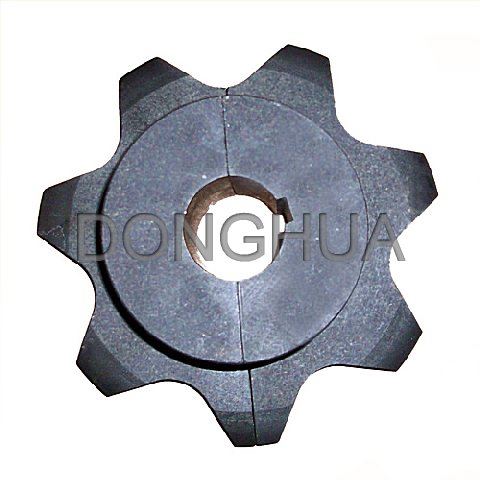
Step 3: Mount the Sprockets
Mount the casting sprockets on the shafts using the appropriate bolts and washers. Make sure the sprockets are seated properly on the shafts and that the keyways are aligned. Tighten the bolts to the specified torque using a torque wrench.
Step 4: Check the Parallelism of the Sprockets
Use a straightedge to check the parallelism of the sprockets. Place the straightedge across the face of the sprockets and check for any gaps between the straightedge and the sprockets. If there are gaps, adjust the position of the sprockets until the straightedge makes contact with both sprockets evenly.
Step 5: Check the Alignment of the Sprockets
Use a dial indicator to check the alignment of the sprockets. Mount the dial indicator on a stable surface and position the probe against the outer diameter of the sprocket. Rotate the sprocket slowly and observe the reading on the dial indicator. The reading should not exceed the specified tolerance. If the reading is out of tolerance, adjust the position of the sprocket until the alignment is within the acceptable range.
Step 6: Check the Chain Tension
Use feeler gauges to check the clearance between the chain and the sprockets. The clearance should be within the specified range. If the clearance is too large, adjust the chain tension by tightening the chain adjusters. If the clearance is too small, loosen the chain adjusters.
Step 7: Recheck the Alignment and Tension
After making any adjustments, recheck the alignment and tension of the sprockets and chain. Make sure the alignment is within the acceptable range and the chain tension is correct.
Step 8: Secure the Sprockets
Once the alignment and tension are correct, secure the sprockets in place by tightening the bolts to the specified torque. Make sure the sprockets are firmly attached to the shafts and that there is no movement or play.
Best Practices for Sprocket Alignment
- Use High-Quality Sprockets: Investing in high-quality casting sprockets can significantly improve the performance and longevity of your chain drive system. Look for sprockets that are made from high-strength materials and have precise tooth profiles.
- Follow the Manufacturer's Recommendations: Always follow the manufacturer's recommendations for sprocket alignment and installation. This includes using the correct tools, torque values, and alignment tolerances.
- Regularly Inspect and Maintain the Sprockets and Chain: Regular inspection and maintenance of the sprockets and chain can help prevent premature wear and damage. Check the alignment and tension of the sprockets and chain regularly and make any necessary adjustments.
- Train Your Employees: Proper training of your employees on sprocket alignment and maintenance can help ensure that the equipment is operated and maintained correctly. Provide your employees with the necessary training and resources to perform the alignment and maintenance tasks safely and effectively.
Our Casting Sprocket Products
As a leading casting sprocket supplier, we offer a wide range of high-quality casting sprockets for various applications. Our products include Casting Chain Sprocket of Combine Parts, Casting Sprockets Of Combine Parts, and Industrial Casting Sprocket For Transmission Parts. Our sprockets are made from high-strength materials and are precision machined to ensure optimal performance and durability.
Contact Us for Your Casting Sprocket Needs
If you have any questions about sprocket alignment or need to purchase high-quality casting sprockets, please contact us. Our team of experts is ready to assist you with your casting sprocket needs. Whether you need a single sprocket or a large quantity of sprockets, we can provide you with the products and services you need to keep your equipment running smoothly.
References
- Machinery's Handbook, 31st Edition
- Chain Drive Engineering Manual, ANSI/ASME B29.1
- Sprocket Manufacturer's Installation and Maintenance Guides


