Hey there! As a supplier of Escalator Chains, I've seen my fair share of chain link damages over the years. It's super important to regularly check these chain links to ensure the safety and smooth operation of escalators. In this blog, I'll walk you through how to check the chain links of escalator chains for damage.
First off, let's understand why checking for damage is so crucial. Escalator chains are constantly under stress. They have to carry the weight of passengers and the steps themselves, and they're in continuous motion. Any damage to the chain links can lead to malfunctions, which can be dangerous for users. So, a regular check-up is like a health - check for your escalator.
Tools You'll Need
Before you start the inspection, gather the necessary tools. You'll need a good pair of Rubber Gloves Carrier Chains to protect your hands from dirt, grease, and any sharp edges on the chains. A flashlight is also essential, especially if the escalator is in a dimly lit area. You'll be able to see into the nooks and crannies where damage might be hiding. A caliper can come in handy to measure the dimensions of the chain links, and a magnifying glass can help you spot small cracks or wear.
Visual Inspection
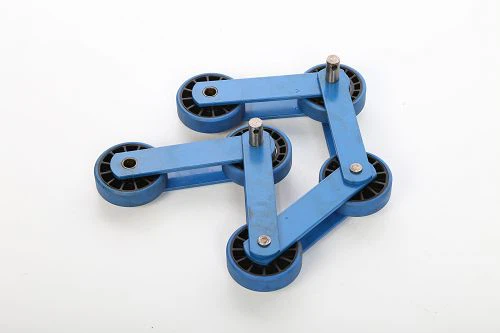
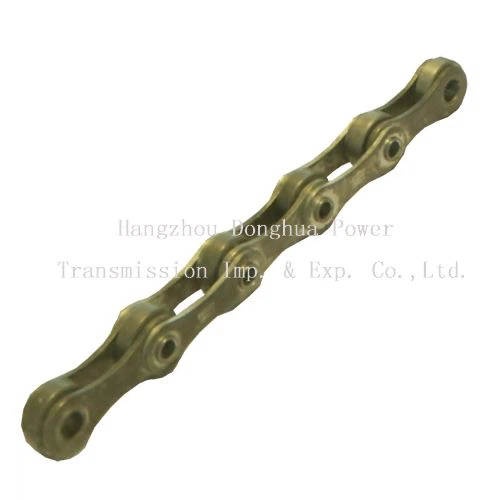
The first step in checking the chain links is a visual inspection. Start by looking at the overall appearance of the chain. Are there any obvious signs of damage like broken links, bent pins, or missing parts? Pay close attention to the rollers. If they're cracked, flattened, or not rotating smoothly, it's a big red flag.
Look for signs of excessive wear on the side plates of the chain links. If the edges are rounded or the plates are thinner than they should be, it means the chain has been under a lot of stress. Rust is another thing to watch out for. Rust can weaken the metal and make the chain more prone to breakage.
While you're doing the visual inspection, also check the alignment of the chain. The chain should run straight on the sprockets. If it's off - center or looks like it's rubbing against other parts of the escalator, there could be an issue with the chain installation or the sprockets themselves.
Measuring the Chain Links
Using a caliper, measure the key dimensions of the chain links. Measure the pitch, which is the distance between the centers of two adjacent pins. A change in pitch can indicate wear or stretching of the chain. If the pitch is larger than the manufacturer's specifications, it might be time to replace the chain.
Also, measure the thickness of the side plates and the diameter of the pins and rollers. Any significant deviation from the original measurements can mean that the chain is damaged. Keep a record of these measurements so you can track the wear over time.
Checking the Joints
The joints between the chain links are critical areas. Check the pins that hold the links together. Make sure they're not loose or bent. A loose pin can cause the chain to come apart, which is extremely dangerous. Try to wiggle the pins gently; if there's excessive movement, it's a sign of wear.
Inspect the bushings that surround the pins. They should be in good condition and not worn down. If the bushings are damaged, it can lead to increased friction between the pins and the rollers, which can cause premature wear of the chain.
Flexibility Test
Give the chain a gentle flex. A healthy chain should be able to bend smoothly without any stiffness or binding. If you feel any resistance when you try to flex the chain, it could mean that there's a problem with the joints or the rollers.
While doing the flexibility test, listen for any unusual noises. A creaking or grinding sound can indicate that there's something wrong with the chain. It could be due to lack of lubrication, damaged rollers, or misaligned sprockets.
Lubrication Check
Proper lubrication is essential for the smooth operation of escalator chains. Check the lubrication level of the chain. If the chain looks dry or the lubricant is dirty and caked on, it needs to be cleaned and re - lubricated.
Too much lubrication can also be a problem as it can attract dirt and debris, which can cause additional wear. Make sure the lubricant is evenly distributed along the chain and that it's the right type of lubricant recommended by the chain manufacturer.
Common Causes of Damage
Understanding the common causes of chain link damage can help you prevent future problems. Overloading the escalator is a major culprit. If the escalator is constantly carrying more weight than it's designed for, the chains will be under extra stress, leading to faster wear.
Lack of maintenance is another common cause. If the escalator isn't cleaned regularly and the chains aren't lubricated properly, it can lead to corrosion and increased friction.
Faulty installation or misaligned sprockets can also cause damage. If the chain isn't installed correctly or the sprockets aren't in the right position, the chain will wear unevenly and can break prematurely.
When to Replace the Chain
If you find significant damage during your inspection, it's time to replace the chain. Signs that you need a new chain include broken links, excessive wear, a change in pitch that exceeds the manufacturer's limits, or a chain that's no longer flexible.
Replacing the chain is a job for professionals. It requires specialized tools and knowledge to ensure that the new chain is installed correctly.
Our Escalator Chain Products
At our company, we offer a wide range of high - quality escalator chains. Our Special Transmission Roller Chains For Industrial are designed to withstand the rigors of daily use in industrial settings. They're made from top - grade materials and are built to last.
Our Roller Chain Escalator Step Chains Chains are specifically engineered for escalator steps. They provide smooth and reliable operation, ensuring the safety of passengers.
If you're in the market for new escalator chains or have any questions about chain maintenance, don't hesitate to reach out. We're here to help you keep your escalators running smoothly and safely. Whether you need advice on chain selection, installation, or maintenance, our team of experts is ready to assist you.
Regularly checking the chain links of escalator chains for damage is a must - do task for anyone responsible for escalator maintenance. By following these steps and keeping an eye out for the signs of damage, you can prevent costly breakdowns and ensure the safety of everyone using the escalator. So, take the time to inspect your escalator chains, and if you need new chains, we're just a message away.
References
- Manufacturer's manuals for escalator chains
- Industry standards for escalator maintenance
- Technical papers on chain wear and damage prevention