When it comes to the world of mechanical engineering and industrial applications, the choice between special gear and regular gear can significantly impact the performance, efficiency, and overall success of a project. As a supplier of special gear, I've witnessed firsthand the transformative power of these precision-engineered components. In this blog, I'll delve into the key differences between special gear and regular gear, exploring their unique features, benefits, and applications.
Understanding Regular Gear
Regular gears are the workhorses of the mechanical world. They are designed to perform standard functions, such as transmitting power, changing speed, and altering the direction of rotation. These gears are typically mass-produced using standardized manufacturing processes, which makes them widely available and cost-effective.
One of the primary advantages of regular gear is its simplicity. They are easy to design, manufacture, and install, making them a popular choice for a wide range of applications. Regular gears are also highly reliable, with a proven track record of performance in various industries.
However, regular gear also has its limitations. Due to their standardized design, they may not be suitable for applications that require precise control, high torque, or unique operating conditions. In these cases, special gear may be a better option.
The Advantages of Special Gear
Special gear, on the other hand, is designed to meet the specific needs of a particular application. These gears are custom-engineered to provide enhanced performance, efficiency, and durability. They are typically manufactured using advanced materials and precision machining techniques, which allows for greater control over the gear's shape, size, and surface finish.
One of the key advantages of special gear is its ability to optimize performance. By tailoring the gear's design to the specific requirements of the application, special gear can provide higher torque, lower noise levels, and improved efficiency. This can result in significant cost savings over the life of the equipment, as well as reduced downtime and maintenance requirements.


Another advantage of special gear is its versatility. Special gear can be designed to operate in a wide range of environments, including high temperatures, corrosive conditions, and extreme pressures. This makes them ideal for applications in industries such as aerospace, automotive, and oil and gas.
In addition to their performance and versatility, special gear also offers greater flexibility in terms of design. Special gear can be customized to fit unique spaces, accommodate non-standard shaft sizes, and provide specific mounting options. This allows for greater design freedom and can help to optimize the overall performance of the equipment.
Applications of Special Gear
Special gear is used in a wide range of applications across various industries. Some of the most common applications of special gear include:
- Aerospace: Special gear is used in aircraft engines, landing gear systems, and flight control systems. These gears must be able to operate at high speeds, under extreme temperatures, and with high precision.
- Automotive: Special gear is used in transmission systems, differential gears, and steering systems. These gears must be able to provide high torque, smooth operation, and low noise levels.
- Oil and Gas: Special gear is used in drilling equipment, pumps, and valves. These gears must be able to operate in harsh environments, including high pressures, corrosive fluids, and extreme temperatures.
- Medical: Special gear is used in medical devices, such as surgical instruments, dental equipment, and diagnostic machines. These gears must be able to provide precise control, smooth operation, and low noise levels.
- Robotics: Special gear is used in robotic arms, joints, and actuators. These gears must be able to provide high torque, precise control, and smooth operation.
Comparing Special Gear to Regular Gear
Now that we've explored the advantages of special gear, let's compare it to regular gear in more detail. Here are some of the key differences between special gear and regular gear:
- Design: Regular gear is designed using standardized templates, while special gear is custom-engineered to meet the specific needs of a particular application.
- Manufacturing: Regular gear is typically mass-produced using standardized manufacturing processes, while special gear is manufactured using advanced materials and precision machining techniques.
- Performance: Special gear provides enhanced performance, efficiency, and durability compared to regular gear. It can provide higher torque, lower noise levels, and improved efficiency.
- Cost: Special gear is typically more expensive than regular gear due to its custom design and advanced manufacturing processes. However, the cost of special gear can be offset by its improved performance and reduced maintenance requirements over the life of the equipment.
- Availability: Regular gear is widely available and can be easily sourced from a variety of suppliers. Special gear, on the other hand, may require a longer lead time and may be more difficult to source.
Examples of Special Gear
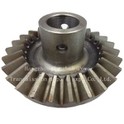
To illustrate the benefits of special gear, let's take a look at some specific examples. One example of special gear is the Straight Bevel Gear with Special Hubs. This gear is designed to provide high torque and precise control in applications where space is limited. The special hubs allow for easy installation and removal, making it ideal for applications that require frequent maintenance.
Another example of special gear is the Straight Bevel Gears With Special Hubs. These gears are designed to provide smooth operation and low noise levels in applications where high precision is required. The special hubs allow for greater flexibility in terms of mounting options, making it ideal for applications that require custom installation.
Finally, the Special Bevel Gear is another example of special gear. This gear is designed to provide high torque and precise control in applications where extreme conditions are present. The special design of the gear allows it to operate in high temperatures, corrosive environments, and extreme pressures.
Conclusion
In conclusion, the choice between special gear and regular gear depends on the specific needs of the application. While regular gear is a cost-effective and reliable option for many applications, special gear offers enhanced performance, efficiency, and durability. By custom-engineering the gear to meet the specific requirements of the application, special gear can provide significant cost savings over the life of the equipment, as well as reduced downtime and maintenance requirements.
If you're interested in learning more about special gear or would like to discuss your specific application requirements, please don't hesitate to contact me. I'd be happy to help you find the right gear solution for your project.
References
- Budynas, R. G., & Nisbett, J. K. (2011). Shigley's Mechanical Engineering Design. McGraw-Hill.
- Mott, R. L. (2008). Machine Elements in Mechanical Design. Pearson.
- Townsend, D. P. (2004). Dudley's Gear Handbook: Design, Manufacturing, and Applications. CRC Press.