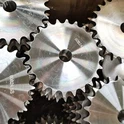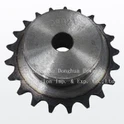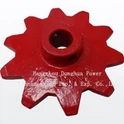
Over time, the sprocket tooth profile area is worn by the sprocket. The reduced sprocket tooth profile area results in poor fit and alignment, accelerating chain wear. This ultimately leads to loss of tension, slippage, chain skipping and costly downtime.
"Worn parts that are not replaced properly in a timely manner will cause a 'chain reaction' leading to secondary damage to connected components, increased labor, higher maintenance costs, more unplanned downtime, and potentially inferior manufactured products," Derek said. Glugosh, Tsubakimoto Sprocket Product Manager.
A skipped chain may indicate that your sprocket needs to be replaced. You may want to correct this by simply shortening the number of links in the chain to prevent the chain from falling out. But this is a temporary fix that increases bearing load and accelerates chain wear. A worn sprocket will continue to damage the chain and associated equipment until it is replaced.
If you're not sure if a sprocket needs to be replaced, here are some signs that there's a problem:
The sprocket on the drive shaft is loose or wobbling, which can be caused by a worn hole, key or shaft.
One side of the sprocket plate is worn, which usually indicates misalignment.
Wear on the running surfaces of the sprocket teeth, which can be a sign of insufficient lubrication. Note any scratches, cavities, grooves, or visible changes in the shape of the teeth, such as hooks or shark fins.
Tsubaki's Smart Tooth® sprockets allow users to easily identify signs of wear and schedule drive system maintenance before serious failure occurs. Strategically placed wear indicator pins provide a visual indication that the sprocket is either still within allowable wear tolerances or needs to be replaced.
“Implementing a Tsubaki Wear Indicator sprocket makes sense when you consider the cost of replacing other critical drive system components or unplanned downtime events,” says Glugosh. “By using a sprocket with a wear indicator pin on the thrust face of the teeth, maintenance technicians can see a visual warning of excessive wear. It allows maintenance to be scheduled instead of running to failure.