


Hey there! As a supplier of standard couplings, I often get asked about the fatigue life of these essential components. In this blog, I'm gonna break down what the fatigue life of a standard coupling is, what factors affect it, and how you can make the most of it in your industrial applications.
First off, let's understand what we mean by "fatigue life." In simple terms, the fatigue life of a standard coupling is the number of cycles it can endure before it fails due to repeated loading. You know, in industrial settings, couplings are constantly subjected to all sorts of forces - torque, vibrations, and misalignments. Over time, these forces can cause tiny cracks to form in the coupling material. As these cracks grow, the coupling becomes weaker and eventually fails.
Now, there are several factors that can have a big impact on the fatigue life of a standard coupling. One of the most important ones is the type of coupling. There are different kinds out there, like Diaphragm Coupling, industrial chain & couplings, and DIN Standard L Coupling. Each type has its own unique design and material properties, which can affect how well it withstands fatigue.
For example, diaphragm couplings are known for their high flexibility and ability to handle misalignments. They're made up of thin diaphragms that can flex and twist without breaking under normal operating conditions. This flexibility helps to reduce stress concentrations and extend the fatigue life of the coupling. On the other hand, chain couplings are more rigid and rely on chains to transmit torque. While they're strong and durable, they may be more prone to fatigue in applications with high vibrations or shock loads.
The material used to make the coupling also plays a crucial role in its fatigue life. Couplings can be made from a variety of materials, including steel, aluminum, and stainless steel. Steel is a popular choice because it's strong, durable, and relatively inexpensive. However, it can be prone to corrosion in certain environments, which can reduce its fatigue life. Aluminum, on the other hand, is lightweight and corrosion-resistant, but it may not be as strong as steel. Stainless steel offers a good balance of strength, corrosion resistance, and fatigue resistance, but it can be more expensive.
Another factor that affects the fatigue life of a standard coupling is the operating conditions. If the coupling is exposed to high temperatures, corrosive chemicals, or abrasive particles, it can accelerate the fatigue process. For instance, in a chemical processing plant, couplings may be exposed to harsh chemicals that can corrode the material and weaken the coupling. In a mining operation, couplings may be subjected to abrasive dust and debris, which can cause wear and tear on the coupling surfaces.
The level of torque and speed at which the coupling operates also matters. High torque and speed can increase the stress on the coupling, leading to faster fatigue. It's important to select a coupling that is rated for the specific torque and speed requirements of your application. Overloading a coupling can significantly reduce its fatigue life and increase the risk of failure.
Proper installation and maintenance are also key to maximizing the fatigue life of a standard coupling. If the coupling is not installed correctly, it can cause misalignment, which can lead to uneven loading and premature fatigue. Make sure to follow the manufacturer's installation instructions carefully and use the appropriate tools and techniques. Regular maintenance, such as lubrication, inspection, and alignment checks, can also help to identify and address any potential issues before they become major problems.
So, how can you estimate the fatigue life of a standard coupling? Well, there are several methods and models available, but they can be quite complex and require a lot of data. In most cases, it's best to consult with the coupling manufacturer or a qualified engineer. They can use their expertise and experience to analyze your application and provide you with an estimate of the coupling's fatigue life.
In addition to estimating the fatigue life, it's also important to have a plan in place for replacing the coupling when it reaches the end of its service life. This can help to prevent unexpected downtime and costly repairs. You may want to consider implementing a preventive maintenance program that includes regular inspections and scheduled replacements of couplings based on their estimated fatigue life.
As a standard coupling supplier, I understand the importance of providing high-quality products that offer long fatigue life and reliable performance. That's why we use only the best materials and manufacturing processes to ensure that our couplings meet the highest standards of quality and durability. We also offer a wide range of couplings to suit different applications and requirements, so you can find the perfect coupling for your needs.

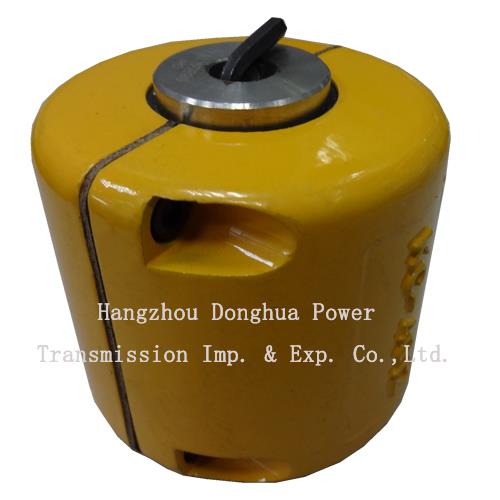
If you're in the market for a standard coupling, or if you have any questions about the fatigue life of your existing couplings, don't hesitate to get in touch. Our team of experts is here to help you select the right coupling, provide you with technical support, and assist you with any other coupling-related needs. We're committed to helping you get the most out of your couplings and keeping your industrial operations running smoothly.
In conclusion, the fatigue life of a standard coupling is an important consideration in any industrial application. By understanding the factors that affect fatigue life, selecting the right coupling for your application, and implementing proper installation and maintenance practices, you can maximize the lifespan of your couplings and reduce the risk of failure. If you have any further questions or would like to discuss your coupling requirements in more detail, feel free to reach out. We look forward to working with you!
References
- Machinery's Handbook, 31st Edition
- Shigley's Mechanical Engineering Design, 11th Edition
- Design of Machine Elements, 5th Edition


