As a supplier of standard shafts, I often get asked about the wear - resistance properties of these essential components. Wear resistance is a critical factor in the performance and longevity of standard shafts, especially in applications where they are subject to high levels of friction, abrasion, and mechanical stress. In this blog post, I will delve into the wear - resistance properties of standard shafts, exploring the factors that influence them and the measures we can take to enhance them.
Understanding Wear in Standard Shafts
Wear is the progressive loss of material from the surface of a shaft due to mechanical action, such as friction, abrasion, or erosion. There are several types of wear that standard shafts may encounter:
- Adhesive Wear: This occurs when two surfaces in contact slide against each other, causing material to transfer from one surface to the other. It is common in applications with high contact pressures and low sliding speeds.
- Abrasive Wear: Abrasive wear happens when hard particles or asperities on one surface plow or cut into the other surface. This can be caused by dirt, debris, or hard contaminants in the operating environment.
- Fatigue Wear: Fatigue wear is the result of cyclic loading and unloading of the shaft surface. Over time, this can lead to the formation of cracks and the eventual spalling or flaking of material.
- Corrosive Wear: Corrosive wear combines the effects of corrosion and mechanical wear. Chemical reactions with the environment can weaken the shaft surface, making it more susceptible to wear.
Factors Affecting Wear Resistance
The wear - resistance properties of standard shafts are influenced by a variety of factors, including:
Material Selection
The choice of material is one of the most important factors in determining the wear resistance of a standard shaft. Different materials have different hardness, toughness, and chemical properties, which directly affect their ability to withstand wear. For example, steel is a commonly used material for standard shafts due to its high strength and good wear resistance. Alloy steels, which contain elements such as chromium, nickel, and molybdenum, can offer even better wear resistance than plain carbon steels. Stainless steels are also popular for their corrosion resistance, which can help prevent corrosive wear.
Surface Finish
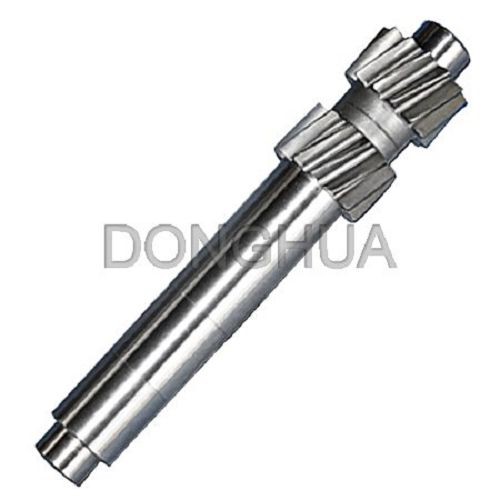
The surface finish of a standard shaft plays a crucial role in its wear resistance. A smooth surface finish reduces friction and the likelihood of abrasive wear. Precision machining processes, such as grinding and polishing, can be used to achieve a fine surface finish. Additionally, surface treatments can be applied to further improve the surface properties of the shaft.
Heat Treatment
Heat treatment is a process used to modify the microstructure and properties of a material. By subjecting the shaft to controlled heating and cooling cycles, we can increase its hardness, strength, and wear resistance. Common heat treatment processes for standard shafts include quenching and tempering, which can significantly improve the material's mechanical properties.
Lubrication
Lubrication is essential for reducing friction and wear in standard shafts. A proper lubricant forms a thin film between the contacting surfaces, separating them and preventing direct metal - to - metal contact. This reduces the coefficient of friction and the amount of wear. Different types of lubricants, such as oils and greases, can be used depending on the application requirements.
Enhancing Wear Resistance of Standard Shafts
As a standard shaft supplier, we take several measures to enhance the wear - resistance properties of our products:
Advanced Materials
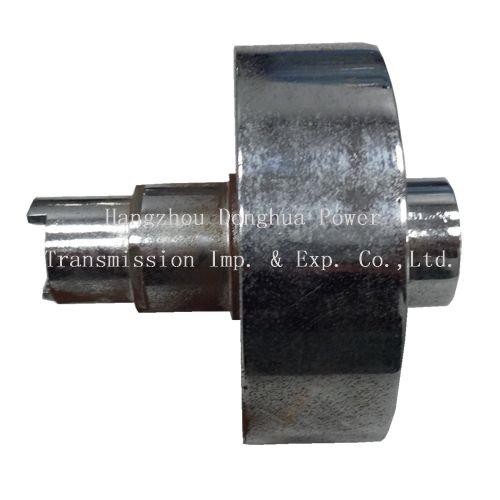
We offer a wide range of standard shafts made from high - quality materials, including alloy steels and stainless steels. These materials are carefully selected for their excellent wear resistance and mechanical properties. For example, our Nickel Plating Flange With Shafts are made from materials that are specifically chosen to withstand the rigors of demanding applications.
Surface Treatments
In addition to using high - quality materials, we also apply various surface treatments to our standard shafts. One of the most common surface treatments is nickel plating. Nickel plating can improve the corrosion resistance and wear resistance of the shaft surface. Our Nickel Plating Flange with Shaft undergoes a precise nickel - plating process to ensure a uniform and durable coating.
Precision Manufacturing
We use state - of - the - art manufacturing equipment and techniques to ensure the highest level of precision in our standard shafts. Precision machining processes, such as CNC turning and grinding, are used to achieve tight tolerances and a smooth surface finish. This not only improves the performance of the shaft but also enhances its wear resistance.
Customized Solutions
We understand that different applications have different requirements. That's why we offer customized standard shaft solutions to meet the specific needs of our customers. Whether it's a special material, a unique surface treatment, or a specific design, we can work with our customers to develop a solution that provides optimal wear resistance. For example, our Axle Counter Shaft of Automobile Gear - Box is designed and manufactured to meet the high - performance requirements of the automotive industry.
Importance of Wear Resistance in Different Applications
The wear - resistance properties of standard shafts are crucial in a wide range of applications:
Automotive Industry
In the automotive industry, standard shafts are used in various components, such as transmissions, engines, and steering systems. These shafts are subject to high levels of stress and wear, and their performance directly affects the reliability and durability of the vehicle. A wear - resistant shaft can reduce maintenance costs and improve the overall performance of the vehicle.
Industrial Machinery
Industrial machinery, such as pumps, compressors, and conveyors, rely on standard shafts for their operation. Wear - resistant shafts can ensure smooth and efficient operation, reducing downtime and increasing productivity. In high - speed and high - load applications, the wear resistance of the shaft is even more critical.
Aerospace Industry
The aerospace industry demands the highest level of reliability and performance from its components. Standard shafts used in aircraft engines, landing gear, and control systems must have excellent wear resistance to withstand the extreme conditions of flight. A failure of a shaft due to wear can have catastrophic consequences, making wear resistance a top priority.
Conclusion
The wear - resistance properties of standard shafts are essential for their performance and longevity in various applications. As a standard shaft supplier, we are committed to providing high - quality products with excellent wear resistance. By using advanced materials, surface treatments, and precision manufacturing techniques, we can ensure that our standard shafts meet the most demanding requirements.
If you are in need of standard shafts with superior wear - resistance properties, we invite you to contact us for a detailed discussion. Our team of experts is ready to assist you in selecting the right product for your application and providing customized solutions to meet your specific needs. Let's work together to ensure the success of your projects.
References
- "Materials Science and Engineering: An Introduction" by William D. Callister, Jr. and David G. Rethwisch.
- "Mechanical Design of Machine Elements and Machines: A Failure - Prevention Perspective" by Jack A. Collins, Shigley's Mechanical Engineering Design.
- "Wear Control Handbook" edited by M. M. Khonsari and E. R. Booser.