


Hey there! As a supplier of Escalator Chains, I've seen firsthand how crucial it is to keep these chains running smoothly. Escalators are everywhere – in malls, airports, subway stations – and when their chains malfunction, it can cause major disruptions. So, in this blog, I'll share some tips on how to ensure the smooth operation of escalator chains.
1. Regular Inspection
The first step in keeping escalator chains in top - notch condition is regular inspection. You can't just set it and forget it. A visual inspection should be carried out at least once a week. Check for any signs of wear and tear, like broken links, rust, or excessive slack.
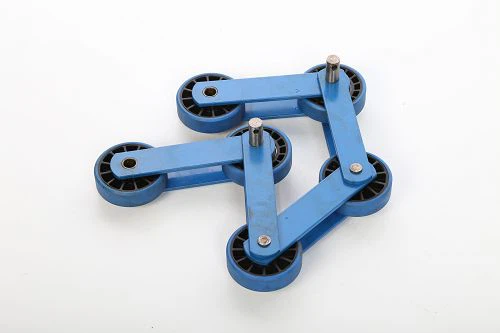
Look closely at the pins and bushings. If they're showing signs of wear, it could lead to chain elongation and eventually cause the chain to skip or break. Also, examine the rollers. Damaged or worn - out rollers can increase friction, making the escalator work harder and potentially causing premature failure.
For a more in - depth inspection, I'd recommend doing a detailed check every few months. This might involve measuring the chain's pitch to make sure it's within the manufacturer's specifications. If the pitch is off, it's a sign that the chain is wearing and might need to be replaced soon.

2. Proper Lubrication
Lubrication is like giving your escalator chain a drink of water. It reduces friction between the moving parts, which in turn decreases wear and tear and extends the chain's lifespan. But it's not as simple as just pouring some oil on it.
You need to use the right type of lubricant. Some chains are designed for specific lubricants, so make sure you check the manufacturer's recommendations. Also, the frequency of lubrication matters. Too little lubrication and the chain will dry out and wear quickly. Too much, and you could end up with a messy situation that attracts dirt and debris.
A good rule of thumb is to lubricate the chain every few weeks, depending on how often the escalator is used. When applying the lubricant, make sure to cover all the critical areas, such as the pins, bushings, and rollers. You can use a brush or a spray to ensure even coverage.
3. Tension Adjustment
Maintaining the right tension in the escalator chain is super important. If the chain is too loose, it can sag and jump off the sprockets, which is not only dangerous but can also cause damage to the escalator's components. On the other hand, if it's too tight, it can put excessive stress on the chain and the sprockets, leading to premature failure.
Most escalators have a tension adjustment mechanism. You can use this to tighten or loosen the chain as needed. But be careful when making adjustments. It's a good idea to follow the manufacturer's instructions. You might also want to use a tension gauge to ensure that the tension is within the recommended range.
4. Cleanliness
Keeping the escalator chain clean is often overlooked, but it's a key factor in its smooth operation. Dirt, dust, and debris can get into the chain and cause abrasion, which speeds up wear.
You can use a soft brush or a compressed air gun to remove any loose dirt and debris from the chain. For more stubborn grime, you might need to use a mild detergent and water. Just make sure to dry the chain thoroughly after cleaning to prevent rust.
5. Use High - Quality Chains
The quality of the chain you start with can make a huge difference in its performance and longevity. At our company, we offer a range of high - quality escalator chains, including Special Transmission Roller Chains For Industrial, Standard Escalator Chains, and Roller Chain Escalator Step Chains Chains.
High - quality chains are made from better materials and are manufactured to stricter standards. They're more resistant to wear, corrosion, and fatigue, which means they'll last longer and require less maintenance. So, when it's time to replace your escalator chain, don't skimp on quality.
6. Training for Maintenance Staff
Your maintenance staff plays a crucial role in ensuring the smooth operation of escalator chains. They need to be properly trained on how to inspect, lubricate, adjust, and clean the chains.
Make sure your maintenance team knows the best practices for working with escalator chains. They should also be aware of the safety procedures to follow when performing maintenance tasks. You might want to provide regular training sessions to keep their skills up - to - date.
7. Keep Records
Keeping detailed records of the chain's maintenance history is a smart move. This includes information like when the chain was installed, when it was last inspected, lubricated, and adjusted, and any repairs or replacements that were made.
These records can help you track the chain's performance over time. They can also be useful for troubleshooting if any problems arise. For example, if the chain starts to show signs of excessive wear, you can look back at the records to see if there were any previous issues or if the maintenance schedule was followed correctly.
Conclusion
Ensuring the smooth operation of escalator chains requires a combination of regular inspection, proper lubrication, tension adjustment, cleanliness, using high - quality chains, training maintenance staff, and keeping records. By following these tips, you can extend the lifespan of your escalator chains, reduce downtime, and keep your escalators running safely and efficiently.
If you're in the market for high - quality escalator chains or need more advice on chain maintenance, don't hesitate to get in touch. We're here to help you find the best solutions for your escalator needs. Contact us today to start a conversation about your requirements and how we can assist you.
References
- Industry standards and best practices for escalator chain maintenance
- Manufacturer's guidelines for escalator chain installation, operation, and maintenance


