


Hey there! As a supplier of casting sprockets, I often get asked about the typical lifespan of these crucial components. So, let's dive right in and explore what affects how long a casting sprocket lasts.
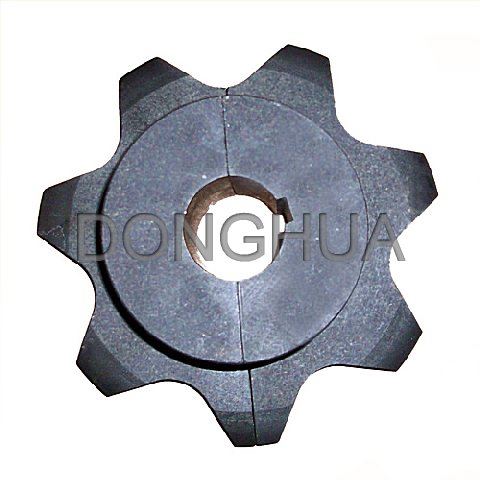
First off, what exactly is a casting sprocket? Well, it's a toothed wheel that meshes with a chain or track. Casting sprockets are used in a wide range of industries, from agriculture to manufacturing. You can find them in various applications like conveyor systems, motorcycles, and even combine harvesters.
If you're interested in different types of casting sprockets, check out our Industrial Casting Sprocket For Transmission Parts and Casting Chain Sprocket Combine Parts and Casting Sprocket of Combine Parts.
Factors Affecting the Lifespan of a Casting Sprocket
There are several factors that can influence how long a casting sprocket will last. Let's take a look at some of the most important ones.
Material Quality
The quality of the material used to make the sprocket is a huge factor. High - quality materials are more resistant to wear, corrosion, and fatigue. For example, sprockets made from alloy steels with good heat - treatment processes tend to last longer than those made from lower - grade materials. These high - grade materials can withstand the stresses of heavy - duty applications, ensuring that the sprocket doesn't wear out too quickly.

Working Conditions
The environment in which the sprocket operates plays a significant role. If the sprocket is used in a dirty, dusty, or corrosive environment, its lifespan will be reduced. For instance, in a mining operation, where there's a lot of dirt and debris, the sprocket teeth can wear down faster. Abrasive particles can get into the chain - sprocket interface and cause accelerated wear. Similarly, in a chemical plant, the sprocket may be exposed to corrosive chemicals, which can eat away at the material.
On the other hand, if the sprocket is used in a clean, well - lubricated environment, it can last much longer. Proper lubrication reduces friction between the chain and the sprocket, which in turn reduces wear and tear.
Load and Speed
The amount of load the sprocket has to carry and the speed at which it operates also matter. A sprocket that is overloaded or runs at high speeds will experience more stress and wear. For example, in a high - speed conveyor system, the sprocket has to transfer a large amount of power quickly. This can cause the teeth to wear out faster, especially if the sprocket is not designed to handle such high - speed and high - load conditions.
Maintenance
Regular maintenance is key to extending the lifespan of a casting sprocket. This includes checking for proper alignment, ensuring the chain is properly tensioned, and regularly lubricating the sprocket. If the chain is too loose or too tight, it can cause uneven wear on the sprocket teeth. And failure to lubricate the sprocket can lead to increased friction and heat, which can damage the material.
Typical Lifespan Estimates
So, what's the typical lifespan of a casting sprocket? Well, it's hard to give an exact number because it depends on all the factors we just discussed. However, in general, under normal working conditions with proper maintenance, a well - made casting sprocket can last anywhere from 1 to 5 years.
In a light - duty application, like a small conveyor system in a warehouse, where the load is relatively low and the environment is clean, a sprocket might last 3 to 5 years. But in a heavy - duty application, such as a large - scale manufacturing plant or a mining operation, the lifespan could be as short as 1 to 2 years.
Tips to Extend the Lifespan of a Casting Sprocket
Here are some tips that can help you get the most out of your casting sprockets:
Choose the Right Material
Make sure you select a sprocket made from high - quality materials that are suitable for your application. Consult with a professional if you're not sure which material is best for your specific needs.
Control the Working Environment
Try to keep the working environment as clean as possible. Use dust covers or enclosures to protect the sprocket from dirt and debris. If the environment is corrosive, consider using sprockets with special coatings or made from corrosion - resistant materials.
Proper Installation
Ensure that the sprocket is installed correctly. This includes proper alignment with the chain and other components. Incorrect installation can lead to uneven wear and premature failure.
Regular Maintenance
Stick to a regular maintenance schedule. Check the chain tension, lubricate the sprocket regularly, and inspect the sprocket for signs of wear. Replace the chain if it shows excessive wear, as a worn - out chain can also damage the sprocket.
Conclusion
In conclusion, the lifespan of a casting sprocket can vary widely depending on material quality, working conditions, load, speed, and maintenance. As a supplier, we're committed to providing high - quality casting sprockets that are designed to last. But it's also up to you, the user, to take proper care of these components to ensure they serve you well for as long as possible.
If you're in the market for casting sprockets or have any questions about our products, don't hesitate to reach out. We're here to help you find the right sprockets for your needs and offer advice on how to make them last. Let's start a conversation and see how we can work together to keep your operations running smoothly.
References
- Machinery's Handbook, Industrial Press Inc.
- "Chain Drives: Selection and Application" by Renold plc


