


Hey there! As a supplier of precision roller chains, I often get asked about the maximum speed limit for these chains. It's a crucial question, especially for those who rely on these chains in high - speed applications. So, let's dive right in and talk about it.
First off, what exactly is a precision roller chain? Well, it's a type of chain that's designed with high precision to ensure smooth and efficient power transmission. These chains are made up of a series of rollers connected by pins and plates. They're used in a wide range of industries, from manufacturing and agriculture to automotive and robotics.
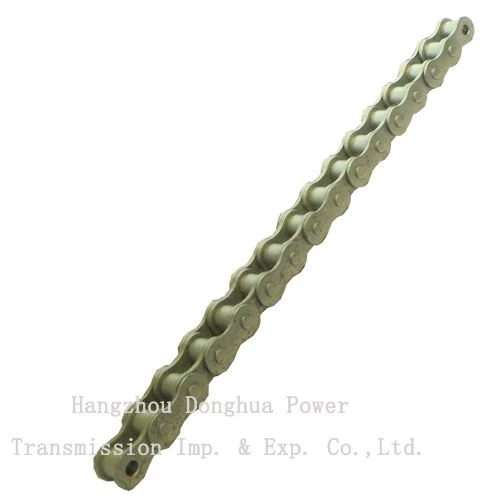
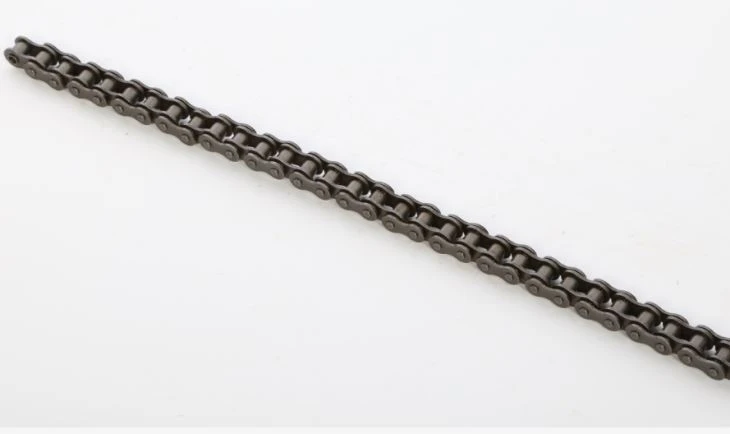
Now, the maximum speed limit for a precision roller chain isn't a one - size - fits - all number. It depends on several factors. One of the most important factors is the chain's pitch. The pitch is the distance between the centers of two consecutive pins. Generally, chains with smaller pitches can handle higher speeds. That's because smaller - pitched chains have less mass per unit length, which means there's less inertia to overcome when the chain is in motion.
Another key factor is the quality of the chain's construction. Chains that are made with high - quality materials and precise manufacturing processes can usually handle higher speeds. For example, chains with well - heat - treated components are more resistant to wear and fatigue, which are common problems at high speeds.
The lubrication of the chain also plays a huge role. Proper lubrication reduces friction between the chain's moving parts, which in turn reduces heat generation and wear. Without adequate lubrication, the chain can overheat and fail prematurely, especially at high speeds. There are different types of lubricants available, and the choice depends on the application and the operating conditions.
Let's talk about some real - world applications and their speed requirements. In automotive engines, precision roller chains are used to drive the camshafts. These chains need to operate at relatively high speeds, sometimes up to several thousand revolutions per minute (RPM). In this case, the chain's design and material are carefully optimized to handle these high - speed conditions.
In industrial conveyor systems, the speed requirements can vary widely. Some conveyors move at a slow, steady pace, while others need to operate at high speeds to keep up with production demands. For high - speed conveyor applications, chains with special features like low - friction coatings or self - lubricating capabilities might be used.
Now, I want to mention some of the products we offer. We have Zinc - Plated Chains 16bzp. These chains are not only corrosion - resistant but also designed to handle a good range of speeds. The zinc plating provides an extra layer of protection, which is great for applications where the chain might be exposed to moisture or other corrosive elements.
Our Corrosion Resistant/Zinc - Plated Chains are another great option. They're ideal for outdoor or harsh - environment applications. These chains can maintain their performance even at relatively high speeds, thanks to their durable construction and corrosion - resistant properties.
If you're in the motorcycle industry, our 530 O ring chain is a top choice. O - ring chains are designed to keep the lubricant inside the chain, which is essential for high - speed motorcycle applications. The O - rings prevent dirt and debris from getting in, reducing wear and ensuring smooth operation at high speeds.
So, what's a ballpark figure for the maximum speed limit of a precision roller chain? Well, it can range from a few hundred RPM to several thousand RPM, depending on the factors we've discussed. For small - pitched, high - quality chains with proper lubrication, speeds of up to 5000 RPM or more might be achievable in some applications. However, it's always important to consult the chain manufacturer's specifications and guidelines to determine the safe operating speed for a specific chain.
If you're considering using precision roller chains in your application, it's crucial to do a thorough analysis of your speed requirements, load conditions, and operating environment. This will help you choose the right chain for the job. And remember, regular maintenance, including proper lubrication and inspection, is essential to ensure the long - term performance and reliability of your chain.
If you're in the market for precision roller chains and have questions about speed limits or which chain is right for you, don't hesitate to reach out. We're here to help you make the best choice for your application. Whether you're a small - scale manufacturer or a large - scale industrial operation, we have the expertise and the products to meet your needs.
In conclusion, the maximum speed limit for a precision roller chain is determined by multiple factors, including pitch, construction quality, and lubrication. By understanding these factors and choosing the right chain for your application, you can ensure smooth and reliable operation at high speeds. So, if you're looking for high - quality precision roller chains, give us a shout, and we'll work with you to find the perfect solution.
References:
- Engineering textbooks on power transmission
- Manufacturer's specifications for precision roller chains
- Industry research papers on chain performance at high speeds


