


What is the influence of shaft material on its corrosion resistance?
As a trusted Standard Shaft supplier, I've witnessed firsthand how the choice of shaft material can significantly impact its corrosion resistance. In the world of engineering and manufacturing, shafts are crucial components that transmit power and motion in various machinery. Their durability and performance are often determined by how well they can withstand corrosion, a natural process that can degrade materials over time.
Corrosion is a chemical reaction between a material and its environment, typically involving oxidation. For shafts, this can lead to pitting, cracking, and ultimately, failure of the component. The material of the shaft plays a pivotal role in determining its susceptibility to corrosion. Different materials have different chemical compositions and microstructures, which in turn affect their corrosion resistance.
One of the most common materials used for shafts is steel. Steel is a popular choice due to its high strength, good machinability, and relatively low cost. However, not all steels are created equal when it comes to corrosion resistance. Carbon steel, for example, is prone to rusting when exposed to moisture and oxygen. This is because carbon steel contains iron, which readily reacts with oxygen to form iron oxide, commonly known as rust. The presence of rust can weaken the shaft and reduce its lifespan.
On the other hand, stainless steel is a type of steel that contains a significant amount of chromium. Chromium forms a thin, protective oxide layer on the surface of the steel, which prevents further oxidation and corrosion. This makes stainless steel highly resistant to corrosion, even in harsh environments. As a result, stainless steel shafts are often used in applications where corrosion resistance is critical, such as in marine and chemical processing industries.
Another material that is often used for shafts is aluminum. Aluminum is lightweight, has good thermal conductivity, and is relatively corrosion-resistant. Like stainless steel, aluminum forms a protective oxide layer on its surface, which helps to prevent corrosion. However, aluminum is more susceptible to corrosion in alkaline environments compared to stainless steel. Therefore, it is important to consider the specific application and environment when choosing aluminum shafts.
In addition to the base material, the surface finish of the shaft can also affect its corrosion resistance. A smooth, polished surface is less likely to accumulate dirt and moisture, which can reduce the risk of corrosion. Surface treatments such as plating and coating can also be applied to enhance the corrosion resistance of the shaft. For example, nickel plating can provide a hard, corrosion-resistant layer on the surface of the shaft. You can learn more about Nickel Plating Flange with Shaft on our website.
The design of the shaft can also play a role in its corrosion resistance. For example, shafts with sharp corners and edges are more likely to experience stress concentration, which can lead to cracking and corrosion. Therefore, it is important to design shafts with smooth, rounded surfaces to minimize stress concentration and improve corrosion resistance.

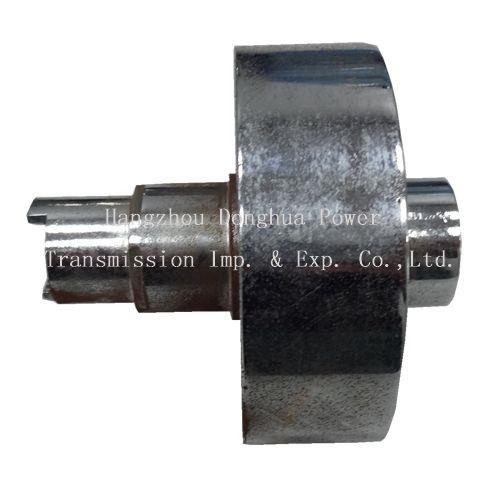
In the agricultural industry, Precise OEM Tractor Gear Shaft are commonly used. These shafts are exposed to various environmental conditions, including moisture, dirt, and chemicals. Therefore, the choice of material is crucial to ensure their long-term performance. Stainless steel or high-quality alloy steel with appropriate surface treatments can provide excellent corrosion resistance for tractor gear shafts.
In the automotive industry, Shaft Of Truck Gearbox are subjected to high loads and harsh operating conditions. Corrosion can not only affect the performance of the gearbox but also pose a safety risk. Using corrosion-resistant materials and proper surface treatments can help to ensure the reliability and durability of truck gearbox shafts.
When selecting a shaft material for a specific application, it is important to consider the following factors:
- Environment: The type of environment in which the shaft will operate is a critical factor. Consider factors such as temperature, humidity, presence of chemicals, and exposure to saltwater.
- Load and stress: The amount of load and stress the shaft will be subjected to can also affect its corrosion resistance. Higher loads and stresses can increase the risk of corrosion, especially in areas of stress concentration.
- Cost: The cost of the material is also an important consideration. While corrosion-resistant materials may be more expensive, they can provide long-term cost savings by reducing maintenance and replacement costs.
- Manufacturability: The ease of manufacturing the shaft from the selected material is another factor to consider. Some materials may be more difficult to machine or require special processing techniques.
In conclusion, the choice of shaft material has a significant impact on its corrosion resistance. By understanding the properties of different materials and considering the specific application requirements, you can select the most appropriate shaft material to ensure the long-term performance and reliability of your machinery. If you have any questions or need assistance in selecting the right shaft material for your application, please feel free to contact us. We are here to help you make the best decision for your business.
References
- ASM Handbook, Volume 13A: Corrosion: Fundamentals, Testing, and Protection. ASM International.
- Metals Handbook Desk Edition, Third Edition. ASM International.
- Corrosion Engineering, Fourth Edition. Mars G. Fontana.


