


When it comes to the world of mechanical power transmission, sprockets play a pivotal role. They are used in a wide range of applications, from industrial machinery to agricultural equipment. Among the various types of sprockets available in the market, casting sprockets have their own unique place. As a casting sprocket supplier, I've had the opportunity to delve deep into the cost - related aspects of casting sprockets in comparison to other types.
Understanding Different Types of Sprockets
Before we dive into the cost analysis, it's essential to understand the different types of sprockets. The most common types include machined sprockets, forged sprockets, and casting sprockets.
Machined sprockets are created by removing material from a solid block of metal using machining processes such as milling, turning, and grinding. This results in a high - precision sprocket with tight tolerances. Forged sprockets, on the other hand, are made by applying compressive forces to a heated metal billet to shape it into the desired sprocket form. Forging enhances the mechanical properties of the sprocket, making it stronger and more durable.
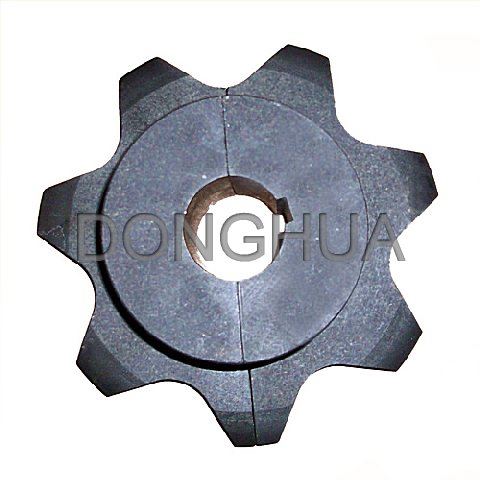
Casting sprockets are produced by pouring molten metal into a mold. Once the metal cools and solidifies, the sprocket takes its shape. This process allows for the production of complex shapes with relative ease.
Cost Factors of Casting Sprockets
The cost of a casting sprocket is influenced by several factors. Firstly, the raw material cost is a significant component. The type of metal used in casting, such as steel, iron, or aluminum, can greatly affect the price. Steel is a popular choice for casting sprockets due to its strength and durability. However, the cost of steel can fluctuate based on market conditions.
The cost of the mold is another important factor. Creating a mold for casting sprockets can be expensive, especially if it is a custom - designed sprocket. The complexity of the sprocket design also impacts the mold cost. A more intricate design will require a more complex and costly mold.

Labor costs are also involved in the casting process. Skilled workers are needed to operate the casting equipment, pour the molten metal, and perform post - casting finishing operations. These labor costs can vary depending on the location of the manufacturing facility and the skill level of the workers.
Cost Comparison with Machined Sprockets
When comparing casting sprockets to machined sprockets, the cost differences become apparent. Machined sprockets generally have a higher production cost. The machining process is time - consuming, as it involves multiple operations to remove material and achieve the desired shape and precision. This leads to higher labor costs.
In addition, the raw material utilization in machining is less efficient. A significant amount of material is removed during the machining process, resulting in more waste. This not only increases the raw material cost but also has environmental implications.
On the other hand, casting sprockets can be more cost - effective for large - scale production. Once the mold is created, the cost per unit decreases as more sprockets are produced. Casting also allows for better material utilization, as the sprocket is formed by filling the mold rather than removing material.
Cost Comparison with Forged Sprockets
Forged sprockets are known for their superior strength and durability. However, this comes at a cost. The forging process requires specialized equipment and high - energy consumption. The heated metal billet needs to be shaped under high pressure, which requires powerful forging presses.
The cost of forging dies, which are used to shape the sprocket during forging, is also relatively high. Similar to machining, forging also involves significant labor costs, as skilled operators are needed to control the forging process.
Casting sprockets, in comparison, can offer a more affordable alternative. While they may not have the same level of strength as forged sprockets in all cases, they can still meet the requirements of many applications at a lower cost. For applications where extreme strength is not a critical requirement, casting sprockets can be a cost - effective solution.
Applications and Cost - Benefit Analysis
Casting sprockets are widely used in various industries. In the agricultural sector, Casting Chain Sprocket Combine Parts are essential components in combine harvesters. These sprockets need to be reliable and cost - effective, as agricultural equipment often operates in harsh environments. Casting sprockets can provide the necessary performance at a reasonable cost, making them a popular choice for this application.
In the industrial sector, Industrial Casting Sprocket For Transmission Parts are used in conveyor systems, power generators, and other machinery. The cost - effectiveness of casting sprockets allows industries to reduce their overall production costs without sacrificing too much on quality.
For applications that require double sprockets, Casting Taper Bore Double Sprocket are a great option. The casting process can easily produce double sprockets with the desired taper bore design at a lower cost compared to other manufacturing methods.
Cost - Benefit Ratio
The cost - benefit ratio of casting sprockets is quite favorable in many cases. While they may not be the strongest or most precise type of sprockets, they offer a good balance between cost and performance. For applications where cost is a major concern and the performance requirements are not extremely demanding, casting sprockets are an ideal choice.
For example, in some light - duty conveyor systems, a casting sprocket can provide sufficient power transmission at a fraction of the cost of a machined or forged sprocket. This allows companies to save on equipment costs and improve their bottom line.
Conclusion and Call to Action
In conclusion, the cost of casting sprockets is influenced by multiple factors, including raw material, mold, and labor costs. When compared to machined and forged sprockets, casting sprockets often offer a more cost - effective solution, especially for large - scale production and applications with moderate performance requirements.
If you are in the market for sprockets and are looking for a cost - effective option without compromising too much on quality, casting sprockets could be the right choice for you. We, as a casting sprocket supplier, are committed to providing high - quality casting sprockets at competitive prices. Whether you need standard or custom - designed sprockets, we have the expertise and resources to meet your requirements.
Don't hesitate to reach out to us for more information or to discuss your specific sprocket needs. Our team of experts is ready to assist you in finding the best sprocket solution for your application. Start exploring the cost - saving benefits of casting sprockets today!
References
- "Mechanical Power Transmission Handbook" by Heinz P. Bloch and Allan R. Budris.
- "Manufacturing Engineering and Technology" by S. Kalpakjian and S. R. Schmid.


