


As a supplier of Agricultural Chains, I've witnessed firsthand the transformative power of climate - smart agriculture on the agricultural chains industry. Climate - smart agriculture (CSA) is an approach that aims to sustainably increase agricultural productivity and incomes, adapt and build resilience to climate change, and reduce and/or remove greenhouse gas emissions, where possible. In this blog, I'll explore the far - reaching effects of CSA on agricultural chains from multiple perspectives.
1. Supply - side Effects
1.1 Increased Demand for Specialized Chains
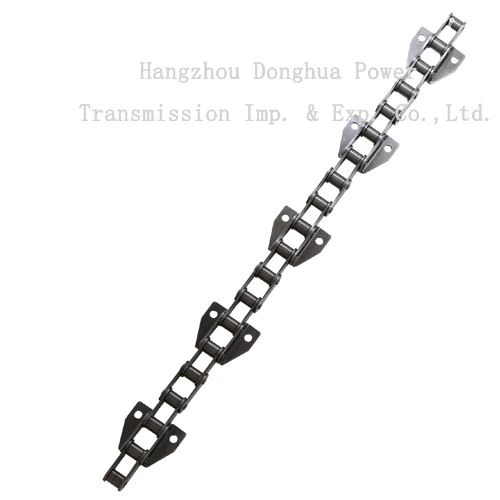
Climate - smart agriculture often involves the use of advanced machinery and equipment. For instance, precision farming techniques, which are a key part of CSA, require highly accurate and reliable machinery. This has led to an increased demand for specialized agricultural chains. Our C /CA Type Agricultural Chain With Attachments is designed to meet the specific needs of modern farming equipment used in climate - smart practices. These chains need to be more durable, resistant to wear and tear, and able to operate under various environmental conditions. As farmers adopt CSA, they are more likely to invest in high - quality chains that can withstand the rigors of precision farming operations, such as those used in automated seeders and fertilization systems.
1.2 Adaptation to New Crops and Cultivation Methods
CSA encourages the cultivation of climate - resilient crops and the adoption of new cultivation methods. For example, some regions are shifting from traditional water - intensive crops to drought - resistant varieties. This change in crop types often requires different types of harvesting and processing equipment, which in turn impacts the demand for agricultural chains. Our Rice Harvester Chains Roller Chain is well - suited for rice harvesting, but as farmers diversify their crops, there is a growing need for chains that can be used in the harvesting of other grains or vegetables. Additionally, new cultivation methods like vertical farming or hydroponics may require unique chain designs to power the movement of growing trays or nutrient delivery systems.
2. Quality and Performance Improvements
2.1 Enhanced Durability
Climate - smart agriculture often exposes farming equipment to more extreme environmental conditions. For example, in areas experiencing more frequent heatwaves or heavy rainfall, agricultural chains need to be more resistant to corrosion and heat. As a supplier, we've been investing in research and development to improve the durability of our Agricultural Chains Roller Chains. We use advanced materials and manufacturing processes to ensure that our chains can withstand these harsh conditions. This not only reduces the need for frequent chain replacements but also improves the overall efficiency of farming operations.

2.2 Precision and Efficiency
CSA emphasizes precision in all aspects of farming, from seeding to harvesting. Agricultural chains play a crucial role in achieving this precision. Chains need to have consistent pitch and smooth operation to ensure accurate movement of machinery parts. By improving the manufacturing process and quality control, we can provide chains that offer high levels of precision. This, in turn, helps farmers optimize their resource use, such as reducing the amount of seed or fertilizer wasted due to inaccurate machinery operation.
3. Market and Economic Effects
3.1 Market Expansion
The growing adoption of climate - smart agriculture has opened up new markets for agricultural chains. As more countries and regions promote CSA, there is an increasing demand for high - quality agricultural chains. This has allowed us to expand our customer base beyond traditional farming regions. For example, emerging economies that are investing in climate - smart farming initiatives are now potential markets for our products. We've also seen an increase in demand from large - scale commercial farms that are more likely to adopt CSA practices due to their access to resources and technology.
3.2 Price and Cost Dynamics
On one hand, the improved quality and performance of agricultural chains in the context of CSA may lead to higher prices. The use of advanced materials and manufacturing processes to make chains more durable and precise incurs additional costs. However, on the other hand, the long - term cost savings for farmers can be significant. By reducing the frequency of chain replacements and improving the efficiency of farming operations, farmers can offset the initial higher cost of the chains. Additionally, as the market for climate - smart agricultural chains grows, economies of scale may come into play, potentially leading to more competitive pricing in the long run.
4. Environmental and Sustainability Effects
4.1 Reduced Environmental Impact
Climate - smart agriculture aims to reduce the environmental impact of farming. Agricultural chains can contribute to this goal in several ways. Firstly, by improving the efficiency of farming machinery, chains can help reduce fuel consumption. For example, a well - functioning chain ensures that the power transmission in a tractor or harvester is more efficient, resulting in less energy waste. Secondly, the use of more durable chains means fewer chain replacements, which reduces the amount of waste generated from discarded chains.
4.2 Alignment with Sustainability Goals
Many farmers and agricultural businesses are now looking to align their operations with sustainability goals. As a supplier, we are committed to providing products that support these goals. Our chains are designed to be more environmentally friendly, using materials that are recyclable or have a lower carbon footprint. This not only meets the demand from environmentally conscious customers but also helps us contribute to the overall sustainability of the agricultural industry.
5. Challenges and Opportunities
5.1 Technological Challenges
The shift towards climate - smart agriculture requires continuous technological innovation in the agricultural chains industry. We need to keep up with the latest trends in farming technology, such as the integration of sensors and automation in machinery. Developing chains that can work seamlessly with these advanced technologies is a challenge. However, it also presents an opportunity for us to differentiate our products in the market and offer more value - added solutions to our customers.
5.2 Education and Awareness
There is still a lack of awareness among some farmers about the benefits of using high - quality agricultural chains in the context of CSA. As a supplier, we have an opportunity to educate our customers about how our chains can improve their farming operations in a climate - smart way. This can be done through training programs, demonstrations, and marketing campaigns. By increasing awareness, we can drive the demand for our products and help farmers make more informed decisions about their equipment purchases.
In conclusion, climate - smart agriculture has had a profound impact on the agricultural chains industry. From increased demand for specialized chains to quality improvements, market expansion, and environmental benefits, the effects are far - reaching. As a supplier, we are excited about the opportunities that CSA presents and are committed to providing innovative and sustainable solutions to our customers. If you are interested in learning more about our agricultural chains or are looking to make a purchase for your climate - smart farming operations, we encourage you to reach out to us for further discussions. We look forward to partnering with you to support the growth of climate - smart agriculture.
References
- FAO. (2013). Climate - smart agriculture sourcebook. Food and Agriculture Organization of the United Nations.
- Pretty, J., & Bharucha, Z. P. (2014). The environmental, energetic, and economic costs and benefits of organic farming. Critical Reviews in Plant Sciences, 33(1), 1 - 40.
- World Bank. (2015). Climate - smart agriculture: Policies, practices, and financing for food security, adaptation, and mitigation. World Bank Publications.


