


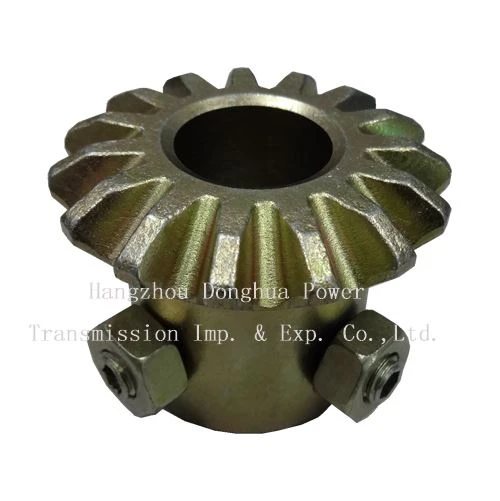
Transporting special gear is a crucial aspect of the supply chain, especially for a supplier like myself. Special gear, which includes items such as Spur Gear With Different Teeth, Straight Bevel Gears With Special Hub, and Straight Bevel Gears With Special Hubs, often has unique requirements due to its design, material, and intended use. In this blog, I will share some insights on how to transport special gear effectively and safely.
Understanding the Nature of Special Gear
Before we delve into the transportation methods, it is essential to understand the characteristics of special gear. Special gear is typically engineered to meet specific performance criteria, which may involve high precision, complex geometries, or the use of specialized materials. For example, spur gears with different teeth are designed to transmit power at different speeds and torques, while straight bevel gears with special hubs are used for applications that require a change in the direction of rotation.
These gears are often more delicate and sensitive to damage compared to standard gears. They may be prone to scratches, dents, or misalignments, which can affect their performance and functionality. Therefore, the transportation process must be carefully planned and executed to minimize the risk of damage.
Packaging for Protection
One of the first steps in transporting special gear is to ensure proper packaging. The packaging should be designed to protect the gear from physical damage, moisture, and corrosion during transit. Here are some packaging considerations:

- Customized Packaging: Use custom-made boxes or containers that are specifically designed to fit the shape and size of the gear. This helps to prevent movement and reduce the risk of impact damage.
- Shock-Absorbing Materials: Line the inside of the packaging with shock-absorbing materials such as foam, bubble wrap, or corrugated cardboard. These materials can help to cushion the gear and absorb any shocks or vibrations during transportation.
- Moisture Protection: If the gear is made of metal or other materials that are susceptible to corrosion, consider using moisture-resistant packaging materials or adding desiccants to the package. This can help to prevent rust and other forms of corrosion.
- Labeling: Clearly label the package with information such as the type of gear, its dimensions, weight, and handling instructions. This can help to ensure that the package is handled correctly and that the gear is delivered to the correct destination.
Choosing the Right Transportation Mode
The choice of transportation mode depends on several factors, including the size and weight of the gear, the distance to be traveled, the urgency of the delivery, and the budget. Here are some common transportation modes for special gear:
- Air Freight: Air freight is a fast and reliable option for transporting special gear over long distances. It is suitable for high-value or time-sensitive shipments, as it offers a shorter transit time compared to other transportation modes. However, air freight can be more expensive, especially for large or heavy items.
- Sea Freight: Sea freight is a cost-effective option for transporting large or heavy special gear over long distances. It is suitable for non-urgent shipments, as it has a longer transit time compared to air freight. However, sea freight requires careful planning and coordination, as it involves multiple handling points and potential delays.
- Road Freight: Road freight is a flexible and convenient option for transporting special gear over short to medium distances. It is suitable for local or regional deliveries, as it offers door-to-door service and can be easily customized to meet the specific requirements of the shipment. However, road freight may be subject to traffic congestion and other delays, especially in urban areas.
- Rail Freight: Rail freight is a reliable and cost-effective option for transporting large or heavy special gear over long distances. It is suitable for shipments that require a high level of security and stability, as it offers a more controlled environment compared to other transportation modes. However, rail freight may require additional handling and transportation to and from the rail terminal.
Handling and Loading
Proper handling and loading are essential to ensure the safe transportation of special gear. Here are some tips:
- Use Appropriate Equipment: Use the right equipment for handling and loading the gear, such as forklifts, cranes, or pallet jacks. Make sure the equipment is in good working condition and that the operators are trained and qualified.
- Secure the Gear: Secure the gear in the transportation vehicle to prevent movement and damage during transit. Use straps, ropes, or other securing devices to hold the gear in place. Make sure the gear is evenly distributed and balanced to avoid any excessive stress or strain on the vehicle.
- Follow Safety Procedures: Follow all safety procedures and regulations when handling and loading the gear. Wear appropriate personal protective equipment (PPE), such as gloves, safety glasses, and hard hats. Make sure the work area is clean and free of hazards.
Tracking and Monitoring
Tracking and monitoring the shipment is an important part of the transportation process. It allows you to keep track of the location and status of the gear and to take appropriate action in case of any delays or issues. Here are some tracking and monitoring options:
- GPS Tracking: Many transportation companies offer GPS tracking services, which allow you to track the location of the shipment in real-time. This can help you to monitor the progress of the shipment and to anticipate any potential delays.
- Shipping Notifications: Sign up for shipping notifications from the transportation company. This can include updates on the status of the shipment, such as when it has been picked up, when it is in transit, and when it has been delivered.
- Insurance: Consider purchasing insurance for the shipment to protect against loss or damage during transit. Make sure the insurance policy covers the full value of the gear and that it includes any additional coverage for specific risks or hazards.
Working with a Professional Logistics Provider
Transporting special gear can be a complex and challenging task, especially if you are not familiar with the logistics and transportation industry. Working with a professional logistics provider can help to simplify the process and ensure that the gear is transported safely and efficiently. Here are some benefits of working with a professional logistics provider:
- Expertise and Experience: A professional logistics provider has the expertise and experience to handle the transportation of special gear. They can provide advice on the best packaging, transportation mode, and handling procedures for your specific needs.
- Network and Resources: A professional logistics provider has a network of carriers, warehouses, and other logistics partners that they can use to ensure the smooth and efficient transportation of your gear. They can also provide additional services such as customs clearance, warehousing, and distribution.
- Risk Management: A professional logistics provider can help to manage the risks associated with transporting special gear. They can provide insurance coverage, track the shipment, and take appropriate action in case of any delays or issues.
- Cost Savings: Working with a professional logistics provider can help to save costs by optimizing the transportation process and reducing the risk of damage or loss. They can also negotiate better rates with carriers and other logistics partners on your behalf.
Conclusion
Transporting special gear requires careful planning, proper packaging, and the right transportation mode. By understanding the nature of special gear, choosing the appropriate packaging and transportation mode, and working with a professional logistics provider, you can ensure that your gear is transported safely and efficiently. If you are in need of special gear or have any questions about transporting special gear, please feel free to contact us. We are a leading supplier of special gear and can provide you with the highest quality products and services.
References
- "Packaging and Shipping Guidelines for Industrial Gears." Industrial Gear Manufacturers Association.
- "Transportation of High-Value and Sensitive Goods." International Air Transport Association.
- "Best Practices for Shipping Heavy and Bulky Items." Federal Motor Carrier Safety Administration.


