When it comes to operating machinery and equipment, the importance of selecting the right chain for a standard sprocket cannot be overstated. As a seasoned Standard Sprocket supplier, I understand the significance of this decision and the impact it can have on the overall performance and longevity of your system. In this blog post, I will share some key considerations and guidelines to help you make an informed choice when selecting the appropriate chain for your standard sprocket.
Understanding the Basics: Sprockets and Chains
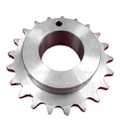
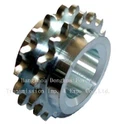
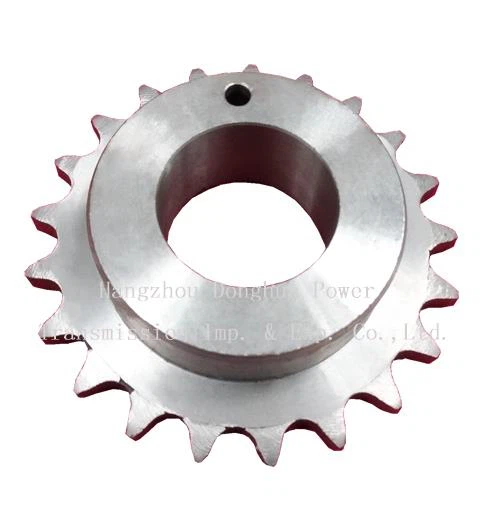
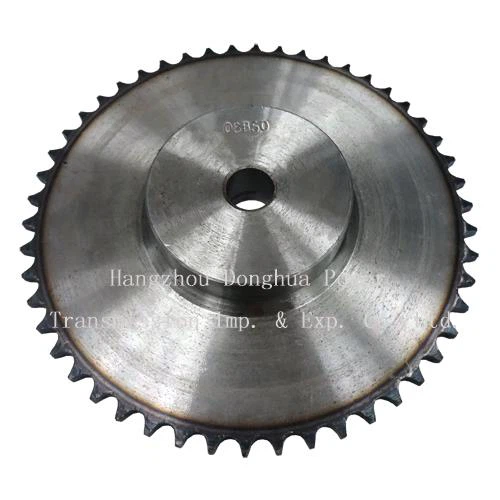
Before delving into the selection process, it's essential to have a basic understanding of sprockets and chains. A sprocket is a toothed wheel that meshes with a chain, belt, or other perforated or indented material. Sprockets are commonly used in power transmission systems, conveyor systems, and other mechanical applications to transfer rotational motion from one component to another.
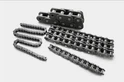
Chains, on the other hand, are flexible mechanical elements consisting of a series of interconnected links. They are designed to engage with the teeth of a sprocket, allowing for the transmission of power and motion. There are various types of chains available, each with its unique characteristics and applications.
Factors to Consider When Selecting a Chain
Selecting the right chain for a standard sprocket involves considering several factors, including the application requirements, operating conditions, and the type of sprocket being used. Here are some key factors to keep in mind:
1. Application Requirements
The first step in selecting the right chain is to determine the specific requirements of your application. Consider factors such as the power transmission requirements, speed, load capacity, and the type of motion (e.g., linear or rotational). Different applications may require different types of chains, so it's important to choose a chain that is suitable for your specific needs.
For example, if you are working with a high-speed application, you may need a chain with a high pitch and a small number of teeth to ensure smooth operation and minimize friction. On the other hand, if you are dealing with a heavy-load application, you may need a chain with a larger pitch and a greater number of teeth to handle the increased stress and torque.
2. Operating Conditions
The operating conditions of your application can also have a significant impact on the performance and lifespan of your chain. Consider factors such as the temperature, humidity, dust, and chemical exposure in your environment. These conditions can cause wear and corrosion on the chain, leading to premature failure and reduced efficiency.
For example, if you are operating in a high-temperature environment, you may need a chain made from heat-resistant materials such as stainless steel or alloy steel. Similarly, if you are working in a corrosive environment, you may need a chain with a protective coating or a corrosion-resistant finish to prevent rust and damage.
3. Sprocket Type and Size
The type and size of the sprocket being used also play a crucial role in selecting the right chain. Different sprockets have different tooth profiles and pitch diameters, which can affect the compatibility and performance of the chain. It's important to choose a chain that is designed to work with your specific sprocket to ensure proper meshing and smooth operation.
When selecting a chain, make sure to check the sprocket's specifications, including the number of teeth, pitch diameter, and tooth profile. You can then choose a chain with the corresponding pitch and width to ensure a proper fit. Additionally, consider the sprocket's material and hardness, as these factors can also affect the chain's wear and performance.
4. Chain Type and Design
There are several types of chains available, each with its unique design and characteristics. The most common types of chains used with standard sprockets include roller chains, silent chains, and leaf chains. Here's a brief overview of each type:
- Roller Chains: Roller chains are the most widely used type of chain in power transmission applications. They consist of a series of cylindrical rollers connected by pins and bushings. Roller chains are known for their high strength, durability, and efficiency, making them suitable for a wide range of applications.
- Silent Chains: Silent chains, also known as inverted tooth chains, are designed to operate quietly and smoothly. They consist of a series of toothed links that mesh with the sprocket's teeth. Silent chains are commonly used in high-speed applications where noise reduction is important.
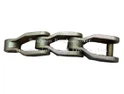
- Leaf Chains: Leaf chains are made up of a series of flat plates connected by pins. They are typically used in applications where high load capacity and durability are required, such as forklifts and hoists.
When selecting a chain type, consider your application requirements, operating conditions, and budget. Each chain type has its advantages and disadvantages, so it's important to choose the one that best suits your needs.
Tips for Selecting the Right Chain
Here are some additional tips to help you select the right chain for your standard sprocket:
- Consult with an Expert: If you are unsure which chain is best for your application, don't hesitate to consult with an expert. As a Standard Sprocket supplier, I have extensive knowledge and experience in chain selection and can provide you with valuable advice and recommendations.
- Consider the Chain's Quality and Durability: When selecting a chain, it's important to choose a high-quality product that is built to last. Look for chains made from high-grade materials and manufactured to strict quality standards. A durable chain will not only provide reliable performance but also reduce the need for frequent replacements, saving you time and money in the long run.
- Check the Chain's Compatibility: Before purchasing a chain, make sure it is compatible with your standard sprocket. Check the chain's pitch, width, and roller diameter to ensure a proper fit. Using an incompatible chain can cause premature wear and damage to both the chain and the sprocket, leading to costly repairs and downtime.
- Consider the Chain's Maintenance Requirements: Different chains have different maintenance requirements. Some chains require regular lubrication, while others are self-lubricating. Consider the maintenance requirements of the chain you are considering and make sure you are willing and able to perform the necessary maintenance tasks to keep the chain in good working condition.
Recommended Chain Products
As a Standard Sprocket supplier, I offer a wide range of high-quality chains that are suitable for various applications. Here are some of my recommended chain products:
- Stainless Steel Conveyor Sprockets: These sprockets are made from high-quality stainless steel, which provides excellent corrosion resistance and durability. They are suitable for use in conveyor systems, food processing equipment, and other applications where hygiene and cleanliness are important.
- Heat Treatment Roller Chain Sprockets: These sprockets are heat-treated to improve their hardness and wear resistance. They are designed to work with roller chains and are suitable for use in high-speed and heavy-load applications.
- Sprocket For Conveyor Equipment: These sprockets are specifically designed for use in conveyor equipment. They are available in a variety of sizes and tooth profiles to accommodate different conveyor systems and applications.
Conclusion
Selecting the right chain for a standard sprocket is a critical decision that can have a significant impact on the performance and longevity of your system. By considering the application requirements, operating conditions, sprocket type and size, and chain type and design, you can make an informed choice that ensures optimal performance and reliability.
As a Standard Sprocket supplier, I am committed to providing my customers with high-quality chains and sprockets that meet their specific needs. If you have any questions or need assistance with chain selection, please don't hesitate to contact me. I would be happy to help you find the right chain for your application and provide you with the support and guidance you need to ensure a successful installation and operation.
References
- ASME B29.1 - Roller Chains, Attachments, and Sprockets
- ISO 606 - Roller chains, bush chains, link plates and associated chain wheels
- ANSI/ASME B29.2M - Silent Chains and Sprockets