Lubricating a standard sprocket is a crucial maintenance task that can significantly extend its lifespan and ensure optimal performance. As a reputable Standard Sprocket supplier, I understand the importance of proper lubrication and its impact on the overall functionality of sprockets. In this blog post, I will share some valuable insights on how to lubricate a standard sprocket effectively.
Why Lubrication is Essential
Before delving into the lubrication process, it's essential to understand why lubrication is so important for standard sprockets. Sprockets are integral components in many mechanical systems, often working in conjunction with chains to transmit power. During operation, the teeth of the sprocket engage with the links of the chain, creating friction and wear. Without proper lubrication, this friction can lead to premature wear and tear, reduced efficiency, and even complete failure of the sprocket and chain system.
Lubrication serves several key functions:
- Reduces Friction: By creating a thin film between the sprocket teeth and the chain links, lubricants minimize friction, allowing for smoother operation and less energy loss.
- Prevents Wear: Lubricants act as a protective barrier, reducing the direct contact between metal surfaces and preventing excessive wear on the sprocket teeth and chain.
- Corrosion Protection: Many lubricants contain anti-corrosion additives that help protect the sprocket from rust and corrosion, especially in harsh environments.
- Heat Dissipation: Lubricants can also help dissipate heat generated during operation, preventing overheating and potential damage to the sprocket and chain.
Choosing the Right Lubricant
Selecting the appropriate lubricant is a critical step in the lubrication process. The choice of lubricant depends on several factors, including the type of sprocket, the operating conditions, and the manufacturer's recommendations. Here are some common types of lubricants used for sprockets:
- Mineral Oils: Mineral oils are a popular choice for general-purpose sprocket lubrication. They offer good lubricity and are relatively inexpensive. However, they may not be suitable for high-temperature or high-load applications.
- Synthetic Oils: Synthetic oils provide superior performance compared to mineral oils, especially in extreme conditions. They have better thermal stability, oxidation resistance, and anti-wear properties, making them ideal for high-speed, high-temperature, and heavy-duty applications.
- Greases: Greases are thick, semi-solid lubricants that are often used in applications where oil leakage is a concern or where long-term lubrication is required. They provide excellent adhesion and can withstand high loads and shocks.
- Dry Lubricants: Dry lubricants, such as graphite or molybdenum disulfide, are used in applications where oil or grease may attract dirt and debris. They provide a clean, low-friction surface and are suitable for high-speed or precision applications.
When choosing a lubricant, it's important to consider the following factors:
- Operating Temperature: The lubricant should be able to maintain its viscosity and lubricating properties within the operating temperature range of the sprocket.
- Load and Speed: High-load and high-speed applications require lubricants with better anti-wear and extreme pressure properties.
- Environmental Conditions: If the sprocket is exposed to moisture, chemicals, or abrasive particles, the lubricant should have good corrosion resistance and protection against contamination.
- Manufacturer's Recommendations: Always refer to the manufacturer's recommendations for the specific sprocket model to ensure the use of a compatible lubricant.
Lubrication Process
Once you have selected the appropriate lubricant, it's time to start the lubrication process. Here is a step-by-step guide on how to lubricate a standard sprocket:
Step 1: Prepare the Sprocket
Before applying lubricant, it's important to clean the sprocket thoroughly to remove any dirt, debris, or old lubricant. Use a suitable cleaning solvent and a brush to clean the sprocket teeth and the surrounding area. Make sure to dry the sprocket completely before proceeding.
Step 2: Inspect the Sprocket
While the sprocket is clean, take the opportunity to inspect it for any signs of wear, damage, or misalignment. Look for worn teeth, cracks, or excessive play in the sprocket. If you notice any issues, it's important to address them before lubricating the sprocket.
Step 3: Apply the Lubricant
There are several methods for applying lubricant to a sprocket, depending on the type of lubricant and the application. Here are some common methods:
- Brushing: For oil-based lubricants, you can use a brush to apply a thin, even coat of lubricant to the sprocket teeth. Make sure to cover all the teeth and the sides of the sprocket.
- Dipping: If the sprocket is small enough, you can dip it into a container of lubricant to ensure complete coverage. After dipping, allow the excess lubricant to drain off.
- Spraying: For greases or dry lubricants, you can use a spray applicator to apply the lubricant evenly to the sprocket. Make sure to follow the manufacturer's instructions for the correct spraying distance and coverage.
- Automatic Lubrication Systems: In some industrial applications, automatic lubrication systems are used to continuously supply lubricant to the sprocket. These systems can ensure consistent lubrication and reduce the need for manual maintenance.
When applying the lubricant, it's important to avoid over-lubrication, as this can lead to excessive buildup of lubricant, which can attract dirt and debris and cause additional problems.
Step 4: Run the Sprocket
After applying the lubricant, run the sprocket for a few minutes to distribute the lubricant evenly and ensure proper engagement with the chain. This will also help to remove any excess lubricant.
Step 5: Monitor and Maintain
Regularly monitor the lubrication level and condition of the sprocket. Check for signs of wear, damage, or contamination, and reapply lubricant as needed. Follow the manufacturer's recommended maintenance schedule to ensure the long-term performance and reliability of the sprocket.
Lubrication Frequency
The frequency of lubrication depends on several factors, including the type of sprocket, the operating conditions, and the type of lubricant used. In general, sprockets operating in high-speed, high-load, or harsh environments may require more frequent lubrication than those in light-duty or low-speed applications.
Here are some general guidelines for lubrication frequency:
- Light-Duty Applications: For sprockets operating in light-duty applications, such as in household appliances or small machinery, lubrication may be required every few months or as recommended by the manufacturer.
- Medium-Duty Applications: Sprockets in medium-duty applications, such as in industrial machinery or automotive engines, may need to be lubricated every few weeks or months, depending on the operating conditions.
- Heavy-Duty Applications: In heavy-duty applications, such as in mining, construction, or agriculture, sprockets may require daily or weekly lubrication to ensure optimal performance and prevent premature wear.
It's important to note that these are just general guidelines, and the actual lubrication frequency may vary depending on the specific application and the manufacturer's recommendations. Always refer to the manufacturer's instructions for the correct lubrication schedule.
Conclusion
Proper lubrication is essential for the optimal performance and longevity of standard sprockets. By choosing the right lubricant, following the correct lubrication process, and maintaining a regular lubrication schedule, you can significantly extend the lifespan of your sprockets and ensure smooth, efficient operation.
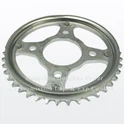
As a Standard Sprocket supplier, we offer a wide range of high-quality sprockets, including the Standard Sprocket 80b30ht and Motorcycle Sprocket, as well as compatible lubricants and other accessories. We also provide expert advice and support to help you choose the right products for your specific application and ensure proper installation and maintenance.


If you have any questions or need further information about lubricating standard sprockets or any of our products, please feel free to contact us. We look forward to working with you and helping you achieve the best performance from your sprocket systems.
References
- Machinery's Handbook, 31st Edition
- ASME Standard B29.1 - Roller Chains and Sprockets
- ISO 606 - Short-pitch transmission precision roller chains, attachments and associated chain wheels